
Category: 4-Engage
Folgen Sie mir auf LinkedIn: https://linkedin.com/comm/mynetwork/discovery-see-all?usecase=PEOPLE_FOLLOWS&followMember=astrid-monika-könig-95534a28
Posts
-
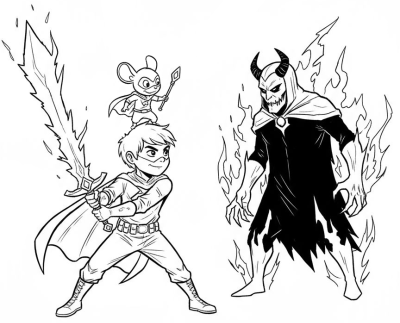
It’s not about us
Read more: It’s not about usLet’s acknowledge the patient as the main character of their life’s story, with us merely as sidekick or villain. It is not about us!
-
It’s not about us
Read more: It’s not about usIt is not about us! It really isn’t. Everybody conducts a kind of movie in their heads. And of course, you are the protagonist of your movie and everybody around you is either an extra, a sidekick at best or a villain at worst. This view of the world is widespread and most of the…
-

Introduction to From Fear to Fun podcast
Read more: Introduction to From Fear to Fun podcastWhat if a child’s doctor visit could be… fun? In this teaser, we step into the world of a child entering a doctor’s office — dragged in, surrounded by strangers, expecting pain, held tightly, and poked without control.
-

Introducing: Empower Paediatric Patients
Read more: Introducing: Empower Paediatric PatientsCan a doctor-visit be fun? Let’s explore obstacles and find solutions to empower paediatric patients as doctors.
-

Introducing: Empower Paediatric Patients
Read more: Introducing: Empower Paediatric PatientsBeing dragged into a room, held tight, and being passively examined can feel like torture. How can we transform this experience into a positive one, with the child being respected and empowered?
-

Inner storylines of the (paediatric) patients
Read more: Inner storylines of the (paediatric) patientsInstead of reading, you could also just listen … Typical inner storylines of the (paediatric) patients are: Disease is the result of guilt: either I am punished for my mistake. or someone else is to blame for my suffering. The most visible coincidence must be the cause of the disease. Nobody can help me. I…
-
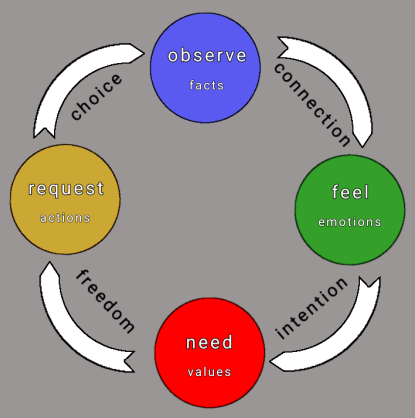
How to use Empowering Language
Read more: How to use Empowering LanguageInstead of reading, you could also just listen: Words have power: they connect or divide. They work like double-edged swords: potentially hurting yourself and others. Words go in two directions: What we hear or perceive as input What we say or produce as output Both ways of words have specific pitfalls. The next post will…
-

How to upgrade the experience in the waiting area
Read more: How to upgrade the experience in the waiting areaHow to make waiting areas less hostile? Here the dial for the consultation is already shifted between cooperation and confrontation.
-

How to support teenagers
Read more: How to support teenagersTeenagers are a different breed of human beings. They need a specific approach and acknowledgement of their boundaries.
-
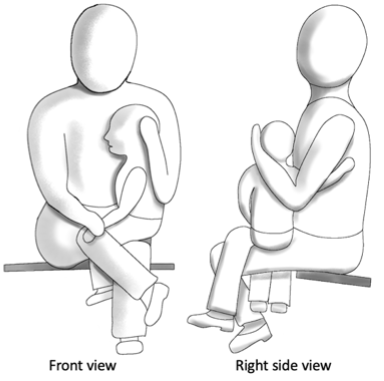
How to support physically support a child during the examination
Read more: How to support physically support a child during the examinationOn the rare occasions when a child is too small to sit by themselves, or they are too frightened to allow me to examine them there comes a moment, when we need to decide: Whether and how to proceed with the physical examination. Do we go ahead? We need to ask ourselves how important the…
-

How to start the journey from fear to fun?
Read more: How to start the journey from fear to fun?Every journey starts with a first step. Instead of reading, you could also listen here … And the very first step is: to know where you want to go! Do you have a goal for the relation with your patients? I guess we can agree, that we want our patients: to feel seen to feel…
-
How to start the journey from Fear to Fun
Read more: How to start the journey from Fear to FunThis episode explores the true starting point for transforming paediatric consultations: knowing the destination you’re aiming for.
-

How to respect the child?
Read more: How to respect the child?Respect is to establish a mutually agreed base of language. Respect in interaction with others appears to be a self-evident requirement. Respect is something we all long for. This wish does not depend on age. But what does that mean? We need to know: we matter our needs are met our input in the exchange…
-

How to provide certainty
Read more: How to provide certaintyCertainty counters fear! When we explain the consultation step by step to the child, they can start to cooperate!
-

How to make a bad first impression-or how to avoid that
Read more: How to make a bad first impression-or how to avoid thatWhen we ignore the first 10 seconds, we set ourselves up for failure in the doctor-patient interactions.